Classroom instruction doesn’t stop when a student leaves the room, but disruption often starts there.
For years, student movement has been managed through paper passes, verbal permissions, and hallway assumptions. Teachers write passes mid-lesson. Administrators piece together who’s out and why. By the time a question comes up, the moment has already passed.
Real time movement tracking changes that dynamic, not by adding control, but by restoring clarity.
The Hidden Cost of “Who’s Out Right Now?”
Ask any teacher or administrator and they’ll tell you: hallway movement is rarely the main issue, it’s the uncertainty around it.
- Who’s already out?
- How long have they been gone?
- Are multiple students headed to the same place?
- Is this normal movement or a pattern?
Without real time visibility, answers depend on memory, notes, or hallway checks. That uncertainty quietly pulls attention away from instruction and leadership responsibilities.
Real-time movement tracking removes the guesswork.

What Real-Time Tracking Actually Looks Like in Practice
Real-time tracking doesn’t mean constant monitoring or micromanagement. In well-designed systems, it works quietly in the background.
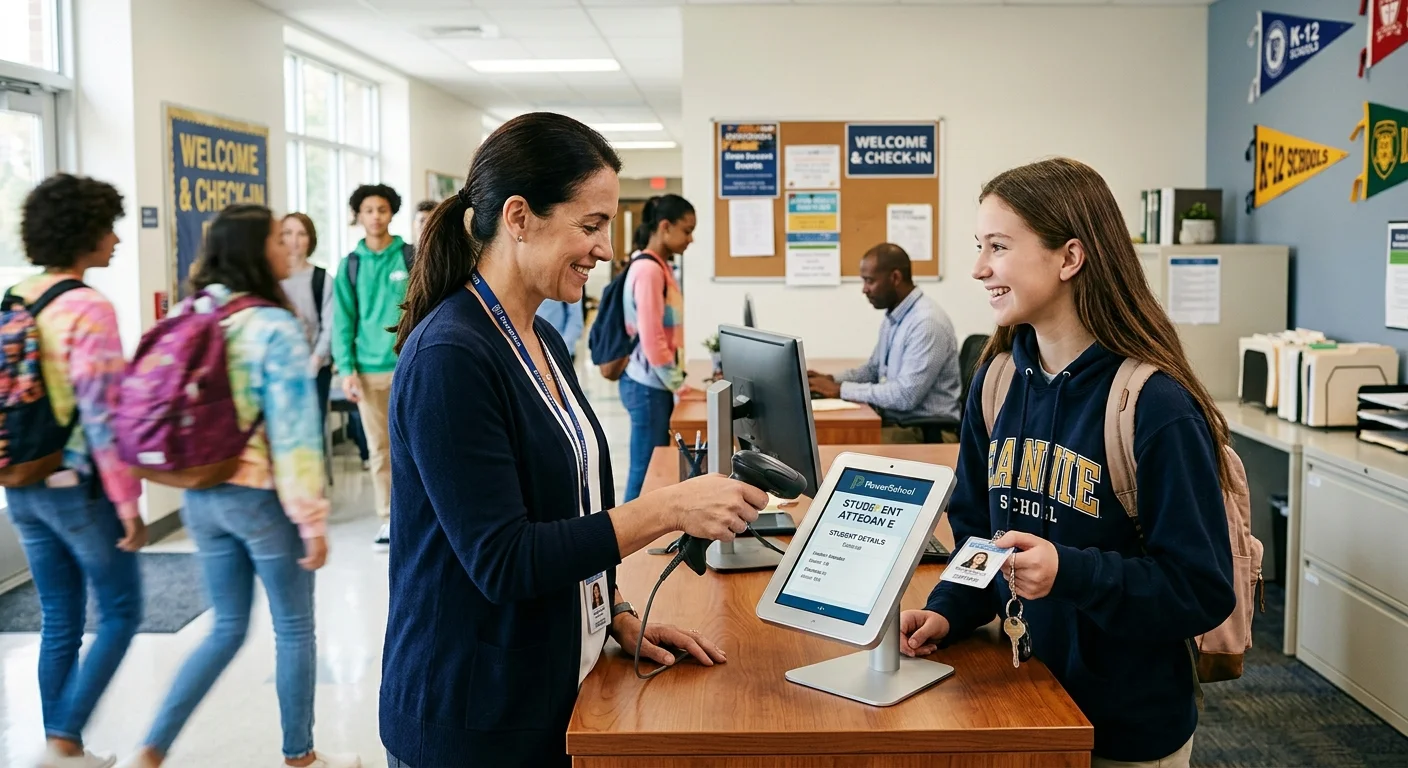
When a student leaves class, the system records:
- Where they’re going
- When they left
- How long they’ve been out
Teachers don’t need to log anything manually. Administrators don’t need to interrupt classrooms. The information is simply there when it’s needed.
The result isn’t more oversight, it’s fewer interruptions.
How It Improves Teacher Workflow
For teachers, the biggest benefit is focus.
Instead of pausing instruction to write passes, track time, or remember who left first, teachers can keep teaching. Movement requests are handled quickly, consistently, and without breaking lesson flow.
Real-time tracking also removes uncomfortable judgment calls. Teachers don’t have to decide whether “too many students are already out”, the system already knows. That consistency creates fairness across classrooms and reduces tension with students.
Less tracking. Fewer interruptions. More teaching.
How It Supports Administrators Without Hovering
Administrators often need visibility without being present everywhere — and real-time movement tracking finally supports that balance.
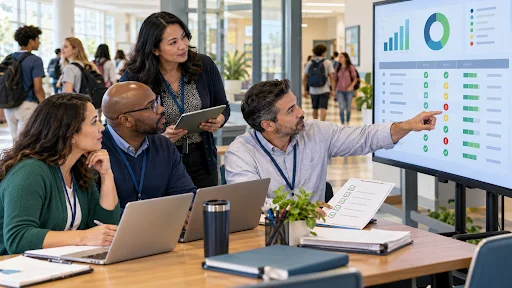
From a central view, admins can see:
- Current student movement across the building
- Areas with high traffic
- Students who have been out longer than expected
- Patterns that repeat across days or weeks
This allows leaders to respond when needed, not react after the fact. It also supports data-informed conversations with staff and families, based on facts, not assumptions.
Importantly, it does this without adding work for teachers.
Reducing Hallway Congestion and Safety Concerns
One of the overlooked benefits of real-time tracking is how it naturally improves hallway flow.
When systems limit how many students can be out at once, or flag overlapping movement congestion decreases. Fewer students wandering at the same time improves safety, reduces disruptions, and creates a calmer school environment overall.
And because the rules are applied consistently, students quickly understand expectations.

From Moment-to-Moment Clarity to Long-Term Insight
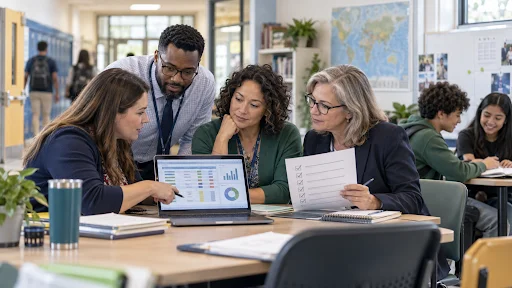
Real-time tracking isn’t just useful in the moment. Over time, it builds a reliable picture of movement patterns.
Schools can identify:
- Peak movement times
- Frequently visited locations
- Students who may need additional support
- Policies that aren’t working as intended
This turns hallway movement from an invisible problem into something schools can actually understand and improve — without adding reporting work.
Built to Work With the Systems Schools Already Use
The biggest mistake schools make is adding tools that don’t integrate with their SIS.
Solutions like the PowerSchool Digital Hall Pass provided by PureData are designed to work within existing PowerSchool environments. That means:
- No disconnected systems
- No duplicate data
- No extra logins for staff
Teachers and administrators work inside tools they already know, making adoption smoother and daily use more natural.
Final Thought
Real-time movement tracking isn’t about watching students more closely.
It’s about giving teachers and administrators the clarity they’ve always needed, without extra effort.
When visibility is built into the workflow, classrooms stay focused, hallways stay calmer, and leadership decisions are based on real information, not interruptions.