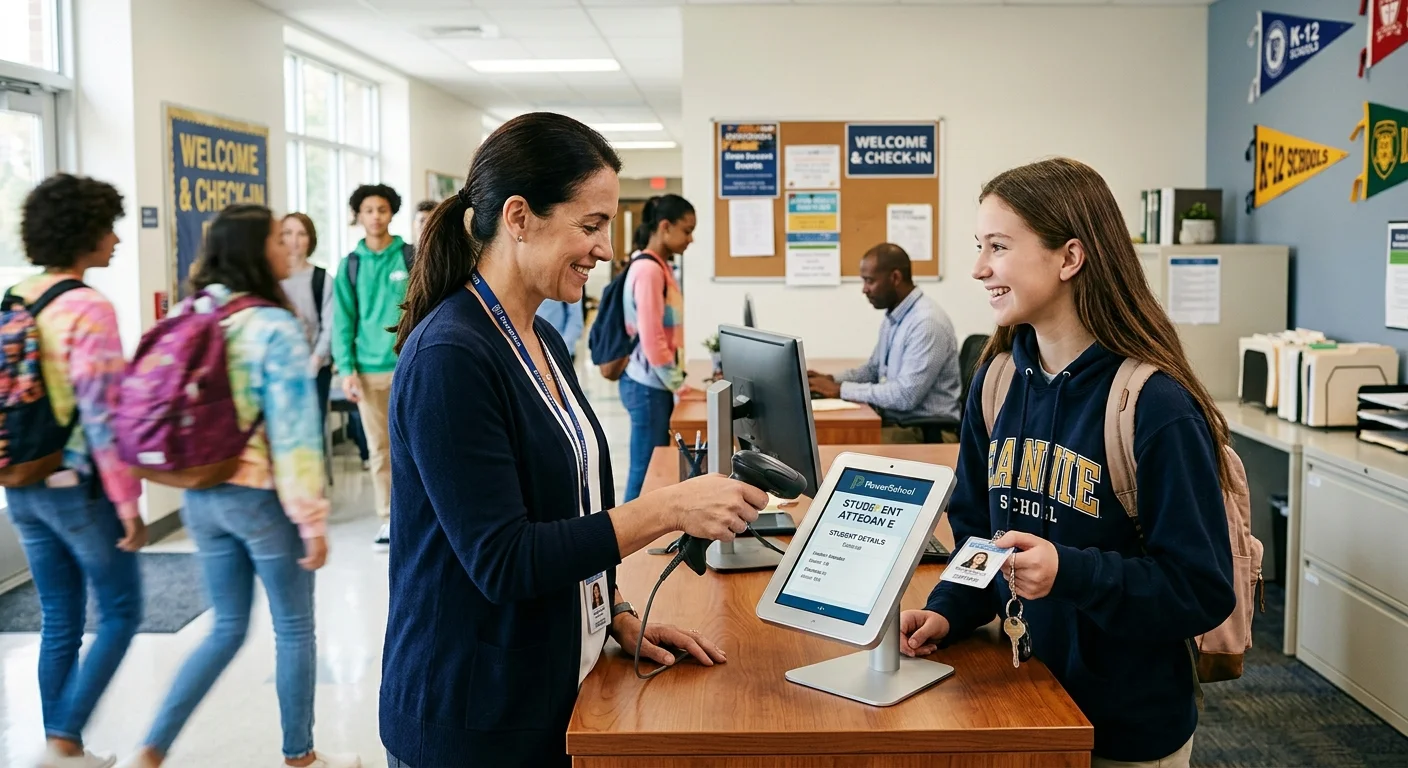
For years, hallway management has lived in a gray area of school operations. It mattered every day, but it rarely received long-term planning or strategic attention. Paper passes worked “well enough,” and when issues came up, schools handled them reactively.
That approach is changing.
As schools continue to modernize their systems, expectations around safety, accountability, and efficiency are rising. By 2026, hall pass automation is no longer viewed as a convenience — it’s becoming a core part of how schools manage student movement, data, and daily operations.
Here’s what’s shaping the future of digital hall pass systems, and what schools should be thinking about now.

Trend 1: From Permission Slips to Operational Systems
The biggest shift is philosophical.
Hall passes are no longer just about giving permission to leave class. They’re becoming operational tools that help schools understand movement patterns, reduce disruption, and support policy enforcement without adding workload.
By 2026, schools expect hall pass systems to:
- Provide real-time awareness, not after-the-fact reports
- Support school-wide consistency, not classroom-by-classroom rules
- Reduce manual decision-making during instruction time
This shift explains why more districts are moving away from standalone tools and toward systems embedded directly within their SIS.
Trend 2: Automation That Works Quietly in the Background
Automation doesn’t mean more alerts or more screens. In fact, the most effective systems are the ones teachers barely notice.
Future-focused hall pass platforms automate:
- Time tracking without manual input
- Limits based on school rules, not teacher memory
- Approval flows that don’t interrupt lessons
The goal isn’t to control movement — it’s to remove friction. When automation handles the mechanics, educators can focus on students instead of logistics.
Trend 3: Real-Time Visibility Becomes the Standard
By 2026, “Who’s out right now?” is a question schools expect to answer instantly.
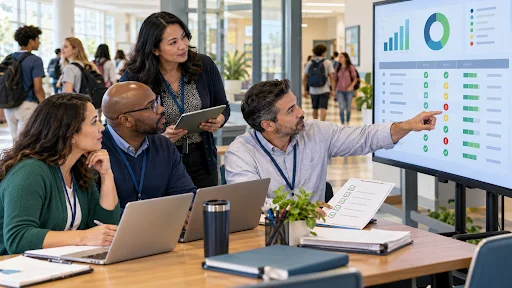
Administrators increasingly rely on real-time visibility to:
- Manage hallway density during busy periods
- Respond faster to safety concerns
- Understand how movement affects instruction time
This isn’t about monitoring students more closely. It’s about having accurate information when decisions need to be made, without walking the building or making assumptions.
Trend 4: Data That Informs Policy, Not Just Compliance
One of the most overlooked benefits of hall pass automation is long-term insight.
As systems mature, schools are using movement data to:
- Identify overuse patterns
- Adjust policies that aren’t working
- Support students who may need additional help
By 2026, administrators expect hall pass systems to contribute to smarter decision-making, not just daily management.
Trend 5: Integration Over Expansion
Schools are becoming more selective about the tools they adopt.
Rather than adding disconnected platforms, districts are prioritizing solutions that integrate cleanly with systems they already trust, especially PowerSchool. This reduces training time, minimizes data silos, and improves adoption across staff.
PureData’s PowerSchool Digital Hall Pass reflects this shift, offering automation and visibility within the PowerSchool environment schools already use every day.
Schools planning for long-term operational efficiency often explore how PureData’s Digital Hall Pass aligns with their existing PowerSchool workflows before expanding their tech stack.

Best Practices Schools Are Adopting Now
Forward-looking schools aren’t waiting until 2026 to adjust. Many are already:
- Standardizing hallway policies across classrooms
- Reviewing movement data monthly, not just when issues arise
- Choosing systems that balance flexibility with structure
- Involving teachers early to ensure adoption feels natural
These small changes create smoother transitions when automation becomes the norm.
Looking Ahead
By 2026, hall pass automation won’t be about replacing paper, that conversation is already over. The real focus will be on how well systems support teaching, protect instructional time, and provide administrators with clarity instead of complexity.
Schools that think ahead, choose integrated tools, and prioritize usability will be better positioned to manage student movement without disruption.
Solutions like the PowerSchool Digital Hall Pass offered by PureData designed with this future in mind, helping schools move from reactive hallway management to thoughtful, automated operations.