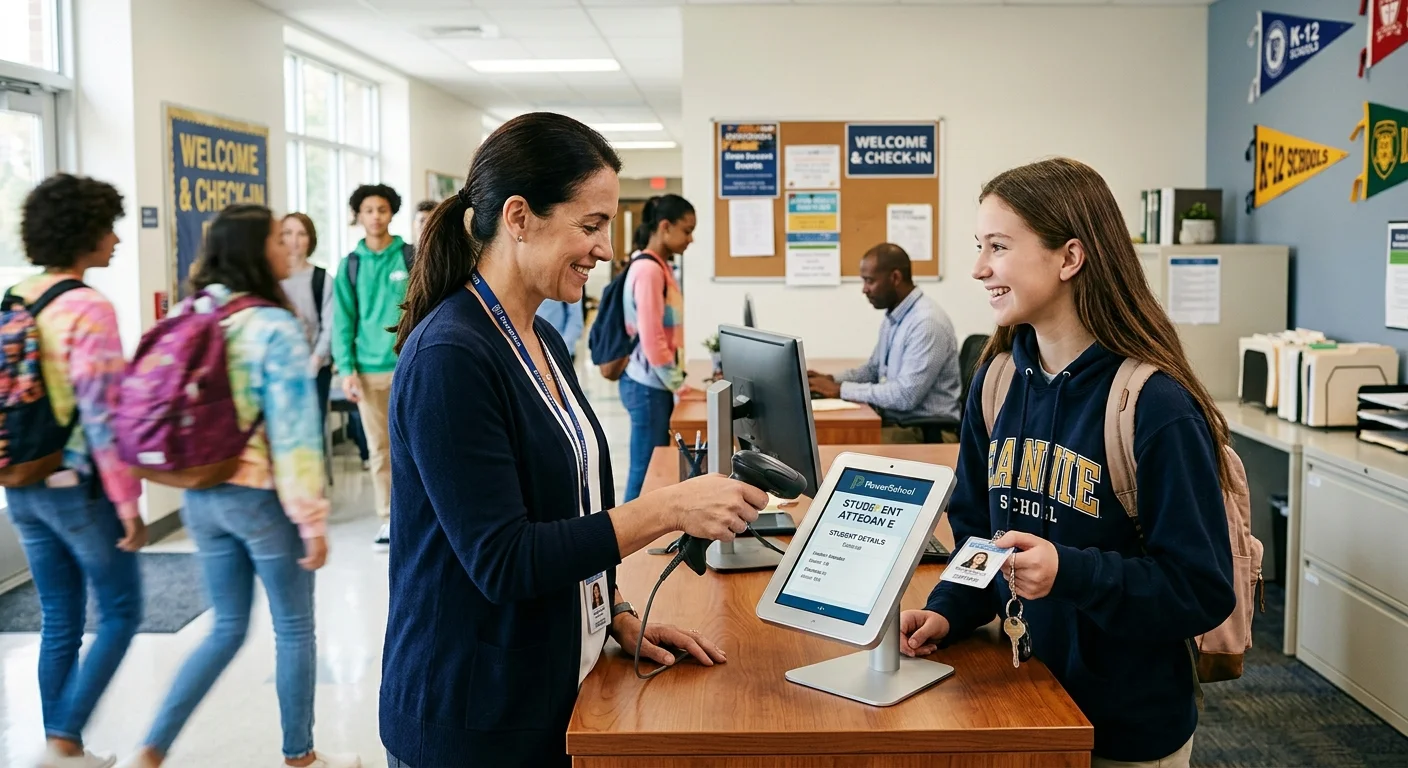
If you’ve ever sat in front of a spreadsheet wondering, “Why doesn’t this GPA look right?” — you’re not alone. Many school and district leaders spend more time chasing down data than using it. And honestly, it’s not because schools lack effort. It’s because most K–12 systems, like PowerSchool SIS, weren’t built with simple, storytelling-friendly data access in mind.
Below is a practical look at how leaders can turn everyday reports into meaningful insights — without needing enterprise-level tools or complicated analytics platforms.
Why Data Storytelling Matters More Than Perfect Dashboards
Data storytelling isn’t about fancy charts. It’s about taking the numbers you already have — attendance, GPA, behavior, assessments — and making them useful for real decisions.
But here’s the truth many leaders quietly admit:
- The data isn’t always accurate.
- Reports don’t export in the format you actually need.
- Core fields like attendance and GPA often need fixing before they can be trusted.
This isn’t a school problem — it’s a system reality across the country. According to the National Center for Education Statistics (https://nces.ed.gov/), most districts still struggle with fragmented data systems and manual processes.
Data storytelling starts with acknowledging these challenges… and then building simple habits to improve them.

Start with Data Quality — The Foundation of Every Good Story
You can’t tell a strong story with unreliable numbers. Even the cleanest dashboard will fall apart if your SIS data isn’t healthy.
A few simple, consistent practices make a big difference:
Monthly Attendance Audits
A quick monthly check can uncover issues like missing codes, incorrect sign-in/out records, or students marked present in two places at once. These small corrections prevent major reporting problems later — especially when chronic absenteeism is a high-stakes metric across states (https://attendanceworks.org).
Proactive Grade & GPA Checks
Instead of waiting for end-of-term surprises, spot-check grade calculations every few weeks. A missing assignment category or misconfigured grade scale can throw off a student’s entire GPA.
Fix Errors Before They Become Trends
Sometimes it’s as simple as one code set up incorrectly in PowerSchool. Fixing the root issue early saves hours of cleanup later.
Choose Tools and Partners That Keep Things Simple
Many schools feel pressure to adopt enterprise-level analytics platforms — but the reality is, most K–12 teams just need something that works with the systems they already have. A partner who understands PowerSchool and other student applications can often provide:
- Clean data extracts in formats you actually use
- Automated quality checks
- Reports aligned to school needs (not generic templates)
- Help connecting operational data with student outcomes
Bring Your Data to Life Through Storytelling
Once your data is clean, storytelling becomes much easier. Try framing reports around questions school leaders actually ask:
- Which students need support right now?
- Where are we seeing improvements?
- What patterns are emerging in attendance or performance?
- Which grade levels need extra attention this month?
Turning Reports Into Results
Data storytelling isn’t about being technical. It’s about using simple, reliable numbers to drive better decisions for students and staff.
When leaders pair accurate data, consistent audits, and the right support or partner, they can turn even the most basic SIS report into a powerful roadmap for improvement.
A Final Thought
Schools don’t need perfect systems — they need purposeful stories built on trustworthy data. Start small, stay consistent, and keep your focus on the students behind every number. With the right approach, even simple reports can spark meaningful change.